
The Best Things to Do in Rome for First-Time Visitors
If it’s your first time in Rome, don’t try to fit everything into a few days. Pick the places you really want to see, put them in a sensible order, and leave some time to just walk around.
Rome is much easier to explore when you plan your days by area instead of going back and forth across the city. Here’s what I would keep in mind when planning your first visit.
Make your trip to Rome easier with a tailor-made Itinerary
The Best Way to See Rome for the First Time
The easiest way to plan Rome is to start with the things you definitely want to see, check their opening hours and ticket requirements, and then build the rest of the day around them.
Keep nearby places together, walk when you can, use public transportation for longer distances, and don’t underestimate how much time meals and breaks take...
... and leave some space in the plan. You’re going to want to stop somewhere you didn’t expect, stay longer than planned, or simply sit down with a coffee... that’s part of visiting Rome too.
Plan Rome by Area
- Don’t plan your day by picking random sights from a list. Look at the map first.
- If you are visiting the Colosseum, for example, stay in that part of the city for a while instead of heading across town for your next attraction. The same goes for the historic center, Vatican area, and Trastevere.
- This simple change can save you a lot of time.
Book the Important Things in Advance
-
Some of Rome’s most popular attractions get very busy, especially in spring, summer, and around holidays.
-
If you know you want to visit the Colosseum or Vatican Museums, book your tickets before your trip. Timed tickets also make it easier to build the rest of your day around them.
-
Don’t book every minute of your trip, though. Leave the rest of the day flexible.
Don’t Plan Too Many Big Sights for One Day
-
A museum or archaeological site can easily take two or three hours. Add walking, security checks, lunch, and a coffee break, and the day fills up quickly.
-
I would usually plan one or two major attractions in a day, then add smaller stops around them.
-
You’ll have a much better time than trying to squeeze in five major sights and spending the whole day checking the time.
Walk Whenever You Can
-
In central Rome, walking is often the easiest way to get around.
-
You’ll see much more than you would from a bus or taxi, and many sights are close enough to combine in one walk.
-
Wear comfortable shoes. You’ll probably walk more than you expect.
-
For longer distances, use the metro or bus instead of spending an hour walking somewhere that could take 15–20 minutes by public transportation.
Use the Metro Strategically
-
Rome’s metro is useful, but it doesn’t go everywhere you might expect.
-
There are only a few lines, and much of the historic center is not directly served by the metro. Buses fill in some of the gaps, but traffic can make them slow.
-
For a first visit, don’t worry about using public transportation for every short trip. Walk when the distance makes sense and use the metro when you need to get from one part of Rome to another.
Check Opening Hours Before You Plan Your Day
-
This sounds obvious, but it can save you from a wasted trip.
-
Museums and attractions have different closing days and hours, and churches can have different schedules because of religious services.
-
Check the official website before you go, especially if you are visiting on a Sunday, Monday, or holiday.
-
Put places with fixed opening hours into your itinerary first. Everything else can be arranged around them.
Start Your Day Early
-
It’s usually worth starting your sightseeing earlier in the morning. The main attractions are generally less crowded, and you’ll have more time to see everything without rushing.
-
You’ll also have more time later in the day to enjoy a long coffee or lunch instead of trying to fit them in between attractions.
Leave Time for Lunch
-
Don’t schedule your lunch like another attraction.
-
If you find a good trattoria, sit down and take your time. If you’re not hungry, grab something quick and keep going.
-
The important thing is not to spend your entire day eating near the sights just because it is convenient. A short walk away from the busiest tourist streets can make a big difference.
Take a Break in the Afternoon
-
If you are visiting Rome in summer, you’ll notice the heat quickly.
-
The middle of the day is often the hardest time to walk around, especially if you have been sightseeing since morning.
-
This is a good time to have a longer lunch, return to your hotel, or sit somewhere in the shade. You can continue later when it gets more comfortable.
Explore One Neighborhood Without a Checklist
-
At least once during your trip, leave the map alone for a couple of hours.
-
Pick an area such as Monti, Testaccio, Trastevere, or Prati and walk around without trying to see every attraction.
-
Stop for a coffee, look into small shops, have lunch, or just follow streets that look interesting.
-
You’ll see a side of Rome that doesn’t come from ticking off famous landmarks.
Use the Evening for a Different Kind of Sightseeing
-
You don’t have to spend every evening in a restaurant.
-
Go for a walk after dinner, visit a piazza, get a gelato, or simply walk through the historic center when the daytime crowds have started to thin out.
-
It’s also a good time to see some places you already visited during the day. They can look completely different after dark.
Don’t Waste Time Crossing the City
-
This is probably one of the most useful practical tips for a first trip.
-
Rome is not enormous, but it is big enough that going from one end to another several times a day will eat up your time.
-
Before you leave your hotel each morning, look at everything you want to do that day and put it into a logical order. Also check opening hours, especially for churches and smaller attractions. Some places have split hours, closing for a few hours in the afternoon and reopening later.
-
Just avoid unnecessary backtracking.
Use the Evening for a Different Kind of Sightseeing
-
You don’t have to spend every evening in a restaurant.
-
Go for a walk after dinner, visit a piazza, get a gelato, or simply walk through the historic center when the daytime crowds have started to thin out.
-
It’s also a good time to see some places you already visited during the day. They can look completely different after dark.
How Many Days Do You Need in Rome?
One day: Choose a small number of priorities and stay mostly in central Rome. You won’t see everything, so don’t try.
Two days: You can cover the main sights much more comfortably and include Vatican City or Ancient Rome without rushing quite as much.
Three days: This is a good amount of time for a first visit. You can see the major attractions and still have time for neighborhoods, food, and less structured exploring.
Four days or more: You can slow down, add museums or day trips, and spend more time exploring neighborhoods, lesser-known places, and some hidden gems.
What to Prioritize on Your First Trip
If you’re not sure where to start, divide your trip into a few simple categories:
Ancient Rome — Colosseum, Roman Forum, and Palatine Hill
Historic Center — piazzas, fountains, churches, and walking
Vatican — St. Peter’s Basilica and Vatican Museums
Neighborhoods — Trastevere, Monti, Testaccio, or another area that interests you
Food and everyday Rome — coffee, markets, trattorias, and gelato
You don’t need to do everything in every category. Pick what interests you most and build your days around it.
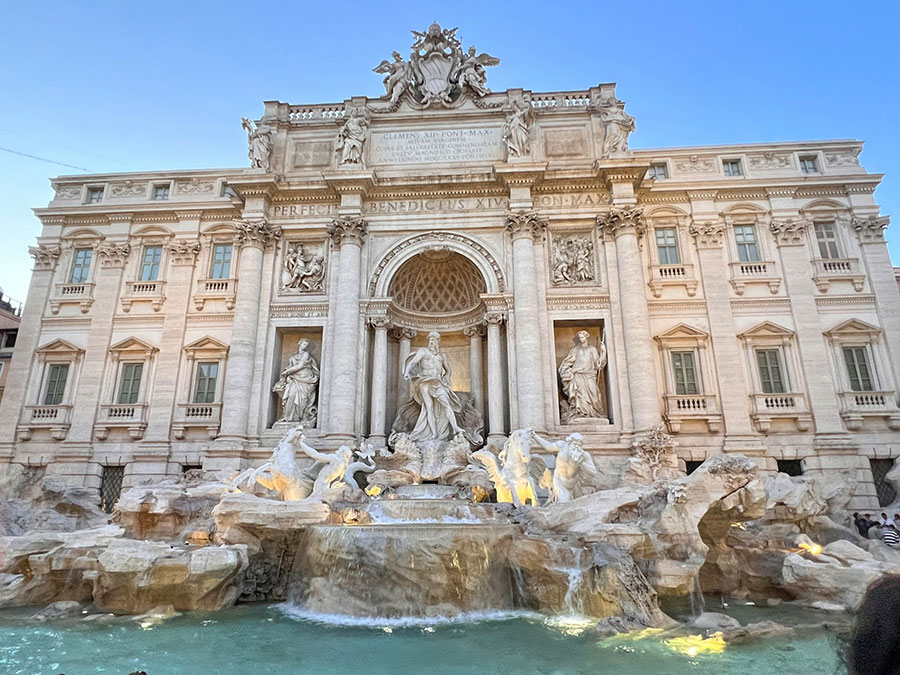
Photo by Pooja Kanwar on Unsplash